
EDITING |
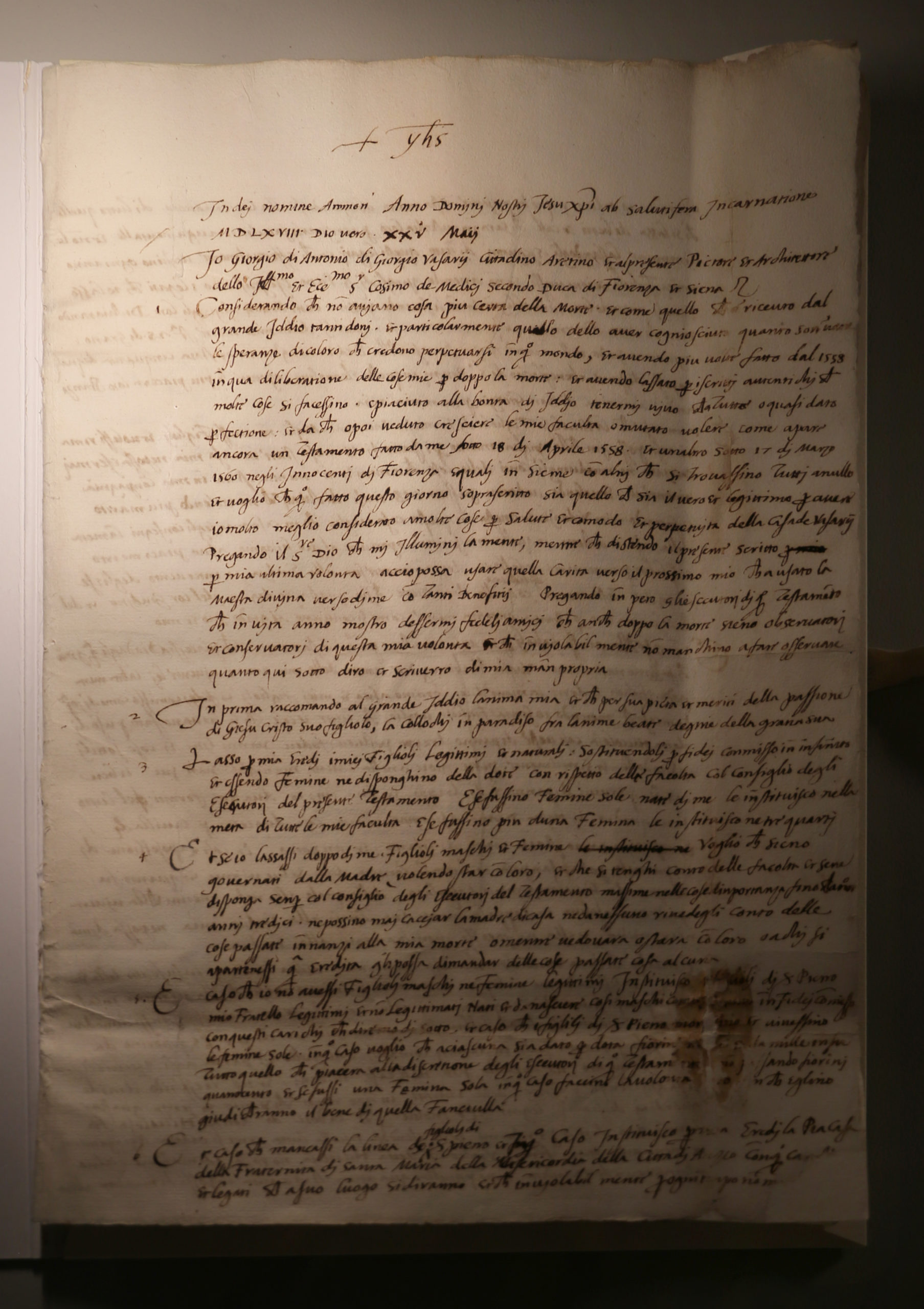
The holographic will is one that the testator formalizes by himself, writing and signing it in his own handwriting, and in which no witness intervenes.
Said document is a non-notarial will that has the disadvantage of having to be written and signed in the testator's own handwriting (who makes the will) and meet certain formal requirements, something that may not be possible due to the state in which the testator is.
We also mention that in the Basque Country, in addition to the previous ones, there is the will in danger of death or hilburuko before three witnesses regulated in the article 23 of Law 5/2015 of June 25 of Basque civil law, which is similar to that of epidemic (article 701 of the Spanish Civil Code)
The regional legislations with competence in matters of successions refer almost all in this matter to the Civil Code (legislations in Aragón, Navarra, Balearic Islands, Galicia and Basque Country), which is supplementary. However, in Catalonia, wills before witnesses are expressly prohibited (article 421.5.3 of Law 10/2008, of July 10, of the fourth book of the Civil Code of Catalonia, relating to successions).
It is regulated in article 688 and following of the civil code to make said will it is not necessary for the epidemic to be declared, it is enough with the mere will of the testator to do so, being of legal age, and having to know how to read and write.
It is essential to make this type of will (which is not before a notary) that it is written and signed by the person making the will, expressing in turn the date (day, month, and year) and that if there is any crossed-out word, the testator must save it at the end under his signature.
It is true that this type of will does not require witnesses, and it can be granted in a language that is not official or co-official in the Spanish State.
It must be warned to whoever is in possession of the will, that once the testator has died, it must be protocolized (before a notary) within a period not exceeding five years, otherwise it would lose its effectiveness, as provided in article 704 CC.
Temporal effectiveness: This will has expiration period, as it must be protocolized within five years from the death of the testator. If it is not verified within that period, it will lose its effectiveness, according to the provisions of article 704 CC.

Pingback:The Coronavirus and article 701 of the Civil Code | AYRE Estates News